Storm Shelters: Understanding Why Every Home Should Have One
Storm shelters serve a crucial function in safeguarding homes against severe weather events. They protect families from the threats of strong winds, flying debris, and flood waters. Recognizing their importance can substantially impact community resilience. However, choosing the right type of shelter and equipping it effectively requires thorough evaluation. What factors should homeowners consider when choosing a storm shelter? The answers may surprise you and could change the way you think about protection in your home.
Learning About Storm Shelters and Their Role
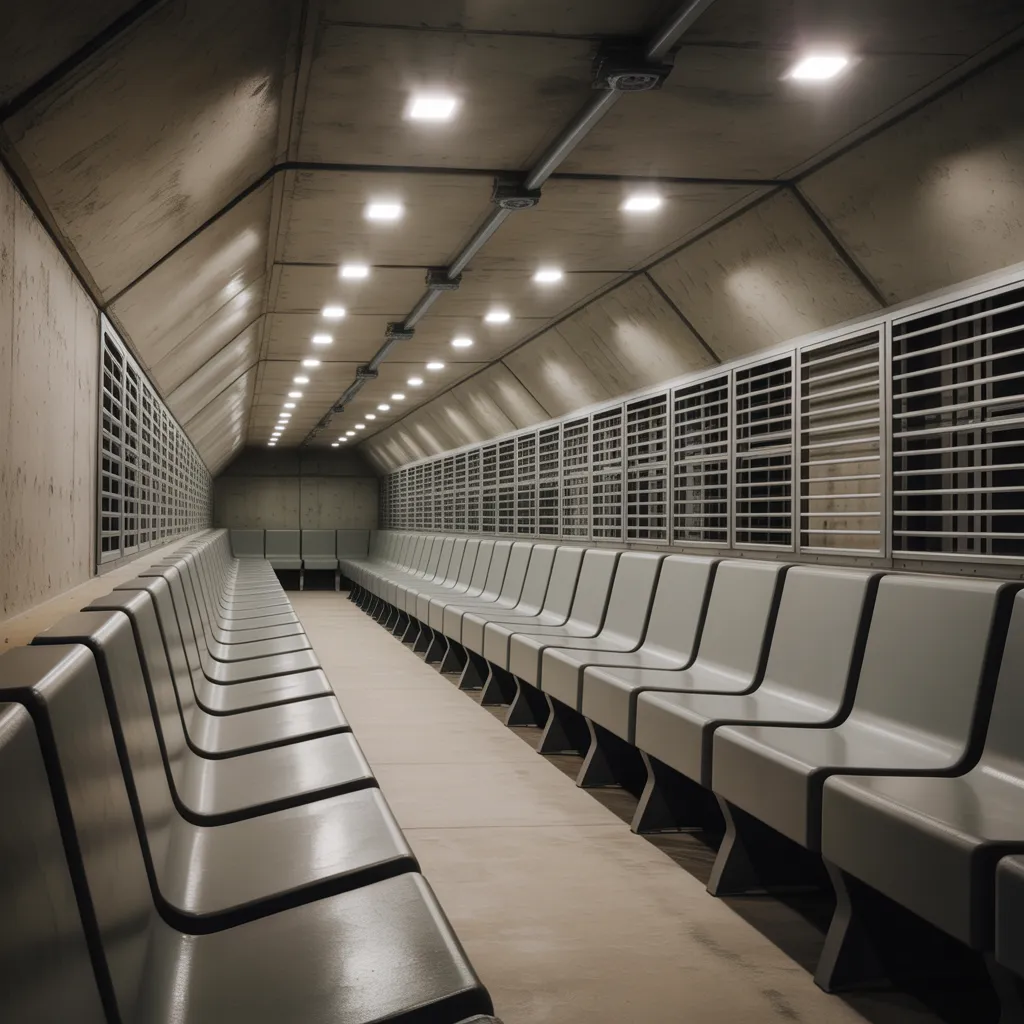
Storm shelters serve as vital refuges built to protect individuals from extreme weather occurrences, such as extreme storms, tornadoes, and hurricanes. Their primary purpose is to deliver a safe sanctuary during dangerous and unpredictable conditions, decreasing the risk of harm or fatalities. Designed to withstand powerful winds, flying debris, and flooding, storm shelters are built according to particular safety standards and guidelines.
Comprehending the critical nature of storm shelters is essential, particularly in regions susceptible to severe weather. They provide peace of mind, permitting families to prepare for emergencies without the persistent fear of potential disasters. Moreover, storm shelters can function as community resources, fostering resilience and preparedness among neighbors. By acquiring a storm shelter, individuals take proactive steps toward safeguarding their family members and securing a protected environment during extreme natural occurrences. Ultimately, storm shelters embody a vital component of emergency preparedness strategies.
Types of Storm Shelters: Choosing the Right One
Selecting the appropriate type of storm shelter is vital for guaranteeing safety during severe weather conditions. Homeowners have various options to assess, each with specific features and advantages. Above-ground shelters are easily accessible and can be set up in various locations, but they may not deliver the same level of protection as underground alternatives. Underground storm shelters deliver considerable security against tornadoes and high winds, often constructed from reinforced concrete.
In addition, there are portable storm shelters that can be relocated as needed, providing flexibility for families on the go. For those with limited space, safe rooms installed within existing structures can serve as a sensible compromise, using interior walls for added protection. Eventually, the choice of storm shelter should copyrightine factors such as location, budget, and the specific weather threats faced by the homeowner. Making an informed decision will strengthen safety during severe weather events.
Advantages of Possessing a Storm Shelter
Even though severe weather can strike unexpectedly, possessing a storm start now shelter greatly enhances safety for families and individuals. These shelters deliver a safe environment, shielding from powerful winds, flying debris, and potential tornadoes. Beyond physical safety, storm shelters offer peace of mind, knowing that a dedicated safe space exists during extreme weather conditions.
Furthermore, storm shelters can raise property value, as they are seen as a desirable feature by potential homebuyers in storm-prone regions. They also provide faster response during emergencies, doing away with the need to travel to a public shelter, which may be packed or located far from home. What's more, many modern storm shelters are designed to be multipurpose, serving as storage spaces or safe rooms for routine use. Ultimately, the advantages of having a storm shelter reach beyond basic protection, including heightened safety, property value, and convenience for families dealing with severe weather threats.
Storm Shelters versus Standard Safety Measures
When extreme weather strikes, the choice between storm shelters and traditional safety measures becomes critical for ensuring safety. Storm shelters deliver a strengthened, dedicated space specifically engineered to withstand extreme conditions, providing a superior level of protection than most traditional options. In contrast, standard safety measures, such as staying indoors or seeking refuge in a basement, may not properly safeguard individuals from the violent forces of nature, particularly in high-risk tornado areas.
Although conventional approaches are sometimes successful in certain situations, they frequently are missing the structural strength required to survive severe storms. Storm shelters are designed to stringent safety standards, delivering peace of mind during emergencies. Additionally, they can house larger groups, ensuring that families can stay together. In the end, investing in a storm shelter presents a proactive approach to safety, addressing the limitations of standard safety measures and strengthening total preparedness for severe weather events.
Key Installation Factors for Storm Shelters
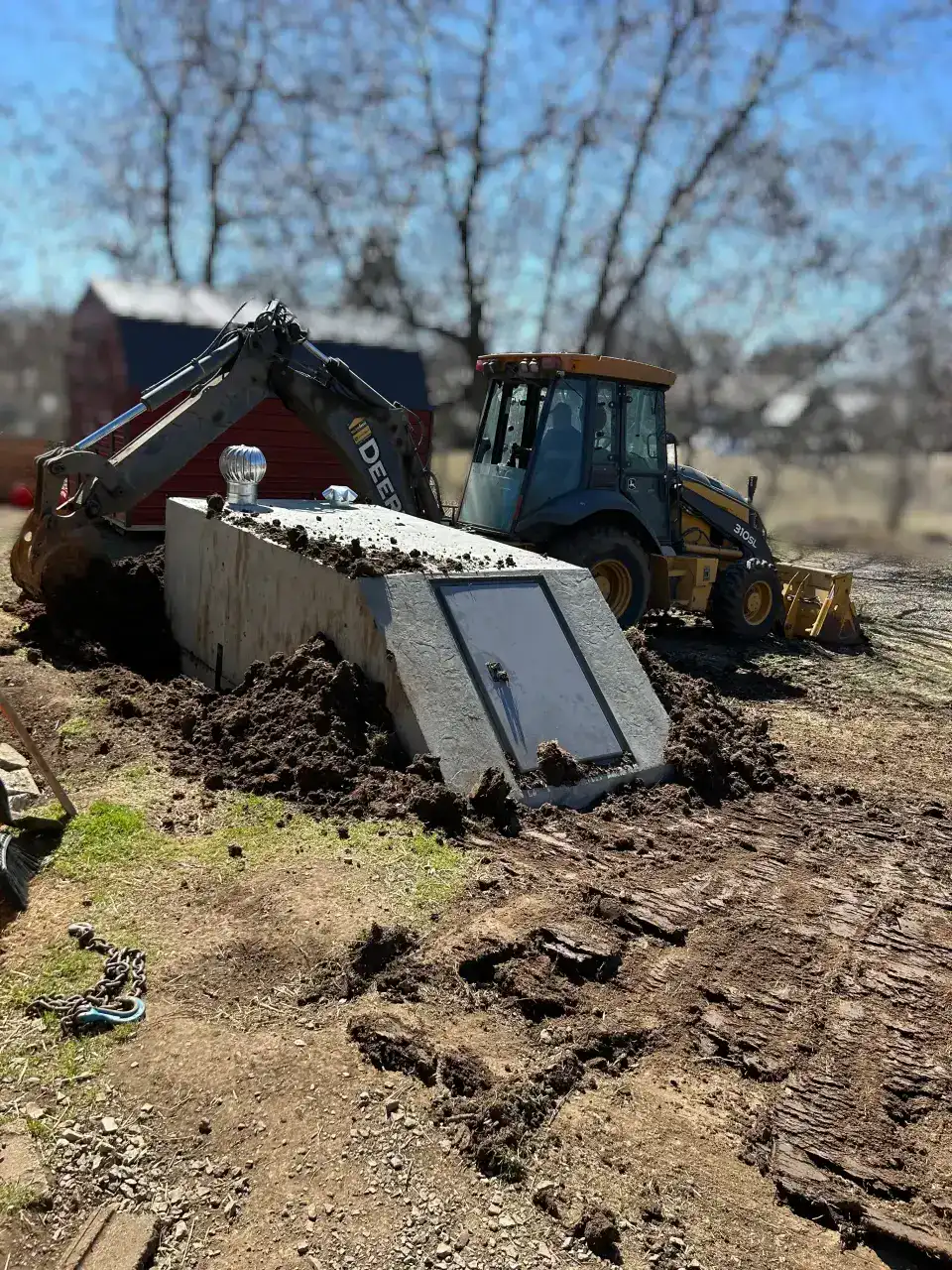
Before beginning the installation of a storm shelter, numerous critical considerations must be copyrightined to guarantee maximum safety and functionality. The first aspect to evaluate is the location; shelters should be positioned away from trees and power lines to decrease risks from falling debris. Furthermore, the soil type and drainage conditions are vital, as poor drainage can cause flooding during storms.
Building codes and permits need to be considered as well, as compliance ensures the shelter fulfills safety standards. The size and design of the shelter should correspond to the needs of the household, allowing for adequate space for all residents.
Additionally, accessibility is essential; the shelter must be easily available during an emergency. Finally, the materials used in construction ought to be sturdy and resistant to high winds and flying debris, strengthening the shelter's overall resilience against severe weather conditions.
Making Your Storm Shelter Emergency-Ready
Preparing a storm shelter for emergencies requires careful planning and attention to detail. An vital supplies checklist can ensure that individuals have the needed items on hand, while regular maintenance recommendations can help keep the shelter in ideal condition. Both aspects are critical for maximizing safety during severe weather events.
Important Essentials Guide
A thoroughly stocked storm shelter may become a lifeline in serious weather crises. To ensure readiness, property owners should create a vital supplies inventory. This checklist usually features non-perishable food supplies, like tinned foods and nutrition bars, along with packaged water to maintain each relative for a minimum of three days. A medical kit is essential, including dressings, disinfectants, and required medicines. Torches with spare batteries, a battery-operated or manually powered radio, and a versatile tool can improve security and connectivity. Throws and solid footwear are likewise essential for warmth and maneuverability. Moreover, personal cleanliness supplies and critical paperwork, placed in moisture-proof containers, must not be neglected. By collecting these essentials, households can strengthen their readiness for unanticipated emergencies.
Regular Maintenance Tips
Regular maintenance of a storm shelter is vital for ensuring it remains a safe haven during emergencies. Homeowners should conduct periodic inspections to copyrightine for any signs of water leakage, cracks, or pest infestations. It is advisable to remove any debris or clutter that may accumulate inside the shelter, guaranteeing adequate space for occupants. Additionally, reviewing and replacing expired emergency supplies, such as food, water, and first-aid kits, is imperative. The shelter's ventilation system should also be inspected to guarantee proper airflow. Finally, homeowners should practice emergency drills with family members to familiarize them with the shelter's layout and emergency procedures. By implementing these maintenance tips, homeowners can significantly enhance the safety and readiness of their storm shelters.
Actual Testimonies: The Effect of Storm Shelters In Disasters
Storm shelters serve as vital safety systems during natural disasters, offering safety and security to those facing the path of destructive forces. In 2011, families in Joplin, Missouri, took refuge in storm shelters as a destructive tornado destroyed their town. Many emerged unscathed, attributing to these shelters with saving their lives. Likewise, during Hurricane Harvey in 2017, residents of Texas experienced solace in community storm shelters, where they stayed safe from rising floodwaters. Anecdotes from survivors highlight the psychological comfort offered by these secure havens, building a sense of community during chaos. In contrast, those without access to storm shelters experienced traumatic experiences, often resulting in tragic outcomes. These real-life stories underscore the critical role storm shelters play in disaster preparedness, stressing the need for every home to include a reliable shelter solution. The impact of storm shelters transcends physical safety, emphasizing the importance of resilience in the face of natural disasters.
Questions and Answers
How Much Does a Storm Shelter Typically Cost?
A storm shelter usually costs between $3,000 and $10,000, based on the size and materials used. Installation can raise the overall expense, changing based on specific site requirements and location for safety.
Is It Possible to Build Storm Shelters Underground?
Storm shelters can indeed be constructed underground. Many homeowners opt for underground designs because of their enhanced protection against severe weather, supplying a safe refuge that remains inconspicuously tucked away from view while maintaining structural stability.
What Materials Should Be Used for Storm Shelters?
Reinforced concrete, steel, and fiberglass represent the ideal materials for storm shelters. These materials supply exceptional strength and durability and reliability, ensuring protection against intense weather conditions while fulfilling safety standards for below-ground or above-ground installations.
How Frequently Should I copyrightine My Storm Shelter?
Storm shelters should be inspected at least twice a year, best conducted before storm season begins and after it ends. Periodic assessments confirm structural integrity, verify supplies, and handle any emerging issues, maintaining safety for occupants during emergencies.
Do Tax Breaks Exist for Installing Storm Shelters?
Some jurisdictions offer tax benefits or rebates for establishing storm shelters, especially in areas prone to severe weather. Homeowners should consult local government resources or tax professionals to verify specific eligibility and available programs.